
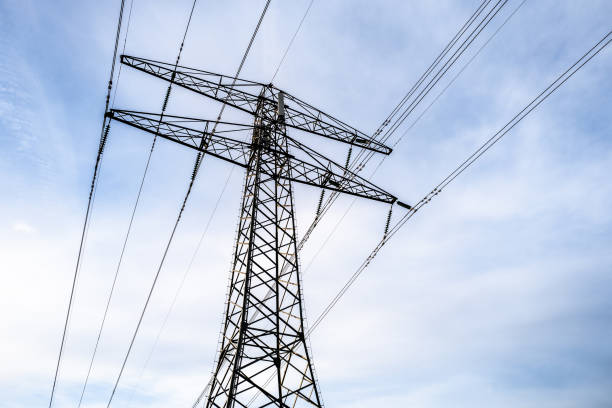

Telecommunication Tower Lease Rates Australia: What Investors Should Know with African Land
As global demand for connectivity rises, telecommunication tower lease rates in Australia have become an increasingly important benchmark for investors evaluating infrastructure‑linked real estate and alternative property income opportunities. African Land explains what these lease rates look like in the Australian market, key factors that drive pricing, and how understanding them can benefit sophisticated property portfolios — including those in Africa.
What Are Telecommunication Tower Lease Rates?
Telecommunication tower lease rates refer to the rental payments paid by mobile network operators, internet providers, or broadcasters to landowners or infrastructure managers for the right to place equipment — such as antennas and base stations — on a tower site. These annual or monthly payments are often tied to:
-
Location and coverage value
-
Tower height and proximity to population centres
-
Competition among network operators
-
Regulatory and zoning conditions
-
Infrastructure and access quality
In Australia, where wide open spaces and urban demand coexist, lease rates vary significantly by region and strategic importance.
Typical Lease Rate Ranges in Australia
While exact figures can vary depending on market conditions and negotiations, typical telecommunication tower lease rates in Australia generally fall into these broad ranges:
Urban and Metro Areas
-
Premium locations near central business districts or dense suburbs
-
Lease rates tend to be higher due to strong service demand and limited alternative sites
Suburban and Regional Centres
-
Moderate lease rates reflecting balanced traffic and competitive demand
-
Often stable long‑term contracts
Rural and Remote Locations
-
Lower base rates, but may be offset by access or subsidy arrangements
-
Important for national network coverage rather than high consumer density
These regional variations reflect the underlying principle that lease income correlates with expected service revenue and strategic priority for telecom operators.
Key Factors Influencing Lease Rates
1. Location and Population Density
Urban towers command higher rents because operators pay more to serve dense populations.
2. Network Competition
Areas with multiple carriers competing for signals often see increased demand for high‑value tower sites, lifting lease rates.
3. Regulatory Environment
Planning approvals, environmental requirements, and government policies can affect how quickly and profitably operators can deploy infrastructure.
4. Contract Terms
Longer‑term leases with inflation adjustments, revenue sharing, or escalation clauses can deliver stronger investor returns.
5. Tower Specifications
Taller towers or sites with multiple mounting opportunities typically generate higher lease income.
Why Australian Tower Lease Rates Matter to Investors
Income Predictability
Telecommunication tower leases are typically long‑term (10 years or more), offering stable, inflation‑linked income streams attractive to investors seeking predictable cash flow.
Diversification
Including infrastructure leases such as telecom sites in a diversified property portfolio reduces reliance on traditional office, residential, or retail rental income.
Infrastructure Growth
As mobile data usage and 5G rollout continue, demand for prime tower locations remains strong, supporting long‑term lease value.
Cross‑Market Insight
Understanding global lease benchmarks — like those in Australia — helps investors compare infrastructure yields across regions and asset classes, including African markets where telecom infrastructure expansion is also a priority.
African Land encourages property investors to view telecom tower lease exposure as part of a broader alternate income strategy alongside physical real estate.
How African Land Helps Property Investors
While African Land specialises in property markets, we support investors who are exploring infrastructure‑linked income, including:
Market Research and Benchmarking
We help clients understand global and local lease rate trends, including telecom infrastructure comparisons.
Portfolio Strategy Integration
By combining traditional real estate with alternative income assets like telecom leases, we craft diversified investment strategies.
Risk and Yield Analysis
We analyse lease contracts, escalation clauses, and regional demand drivers to assess income sustainability and risk.
Location Insights
Whether you are evaluating urban commercial properties or infrastructure sites, we provide local market context — from Johannesburg to Nairobi and beyond — to evaluate comparable long‑term income prospects.
Practical Tips for Evaluating Tower Lease Investments
-
Assess Coverage Demand
– Higher consumer or data traffic areas typically drive stronger lease rates. -
Examine Contract Terms
– Look for regular escalations, renewal options, and tenant credit quality. -
Compare Regional Benchmarks
– Use diverse markets, including Australia, to benchmark what strong lease rates look like. -
Understand Regulatory Risks
– Zoning, environmental, and telecom licensing policies affect site deployment and valuation. -
Diversify Income Streams
– Combine infrastructure leases with residential, commercial, and industrial property for balanced portfolios.







Comments 0
Add new comment