

Property Portfolio: Building and Managing Real Estate Investments in Africa
A property portfolio is a collection of real estate assets held by an individual, company, or investor, designed to generate income, capital appreciation, or both. For investors in Africa, building a well-diversified property portfolio is a strategic way to achieve financial growth, hedge against risk, and benefit from the continent’s expanding real estate market.
Whether you are investing in residential estates, commercial offices, retail spaces, or land developments, understanding how to structure and manage a property portfolio is crucial for long-term success.
What Is a Property Portfolio?
A property portfolio can include various types of real estate assets:
-
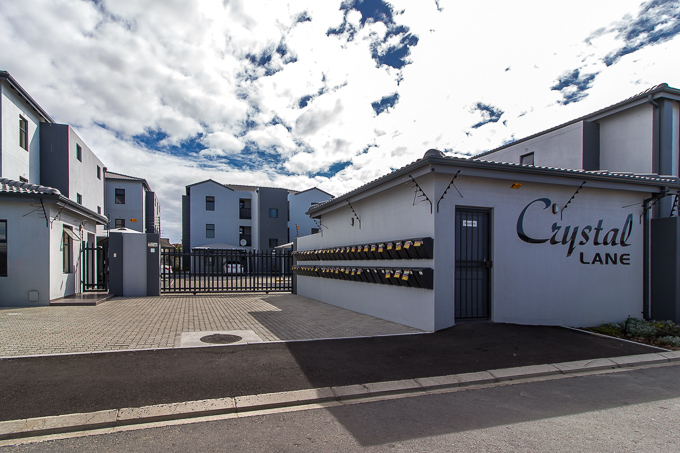
Residential Properties: Houses, townhouses, apartments, and gated estate units for rental income or resale.
-
Commercial Properties: Office spaces, retail units, warehouses, and business parks generating rental returns from corporate tenants.
-
Land Investments: Plots for future development or capital appreciation.
-
Mixed-Use Developments: Properties combining residential, retail, and office space to diversify income streams.
Diversifying your property holdings across different types and locations helps spread risk while enhancing potential returns.
Benefits of Having a Property Portfolio
1. Income Generation
Rental properties provide a steady cash flow, helping investors cover mortgage costs or reinvest in additional assets.
2. Capital Appreciation
Well-chosen properties in growing markets appreciate over time, increasing your overall net worth.
3. Risk Diversification
A balanced portfolio reduces the impact of market fluctuations, tenant turnover, or local economic changes.
4. Leverage Opportunities
Property portfolios allow investors to leverage equity from one asset to acquire additional properties, accelerating portfolio growth.
5. Tax Efficiency
In many African countries, property investors can benefit from deductions, allowances, and incentives that improve after-tax returns.
How to Build a Strong Property Portfolio in Africa
1. Define Your Investment Goals
Decide whether your focus is rental income, long-term appreciation, or a combination of both.
2. Choose Strategic Locations
Invest in high-demand urban areas like Johannesburg, Cape Town, Lagos, Nairobi, or emerging secondary cities with growth potential.
3. Diversify Property Types
Include residential, commercial, and land assets to balance income stability with capital growth.
4. Work With Trusted Brokers and Property Managers
Local expertise helps you access high-quality listings, manage properties efficiently, and maintain occupancy rates.
5. Monitor Market Trends
Stay informed about property values, rental yields, and infrastructure developments that affect your portfolio’s performance.
How African Land Supports Property Portfolio Growth
African Land provides investors with strategic guidance across African real estate markets, helping you:
-
Identify high-potential residential and commercial properties
-
Analyse rental yield, capital growth, and investment performance
-
Develop diversified property portfolios tailored to your goals
-
Connect with professional brokers, estate agents, and property managers
With African Land, investors gain the insights, resources, and support needed to build a resilient and profitable property portfolio in Africa.








Comments 0
Add new comment