
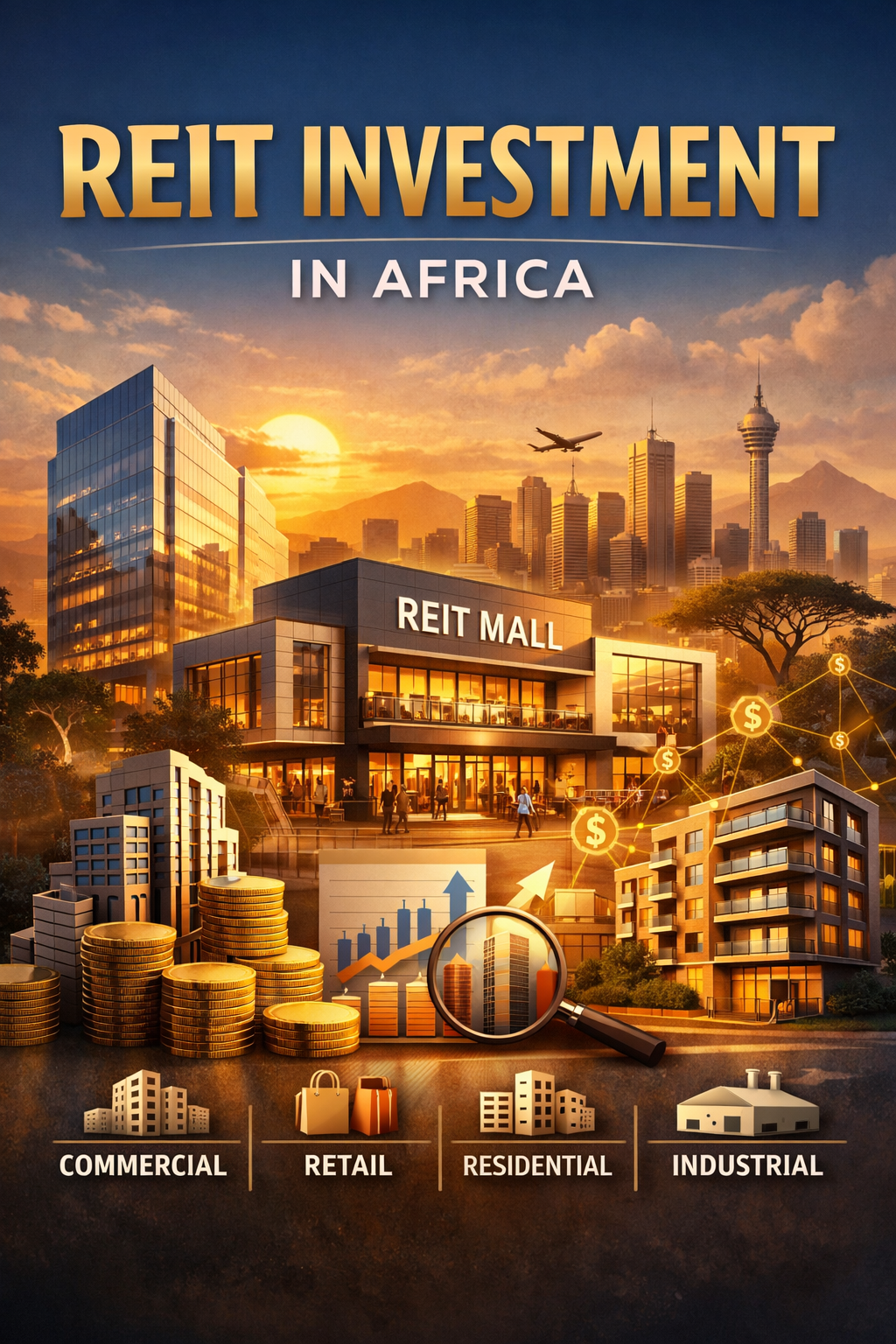

Local REIT: A Gateway to African Property Investment
A local REIT (Real Estate Investment Trust) is a property‑focused investment vehicle established within a specific country or region that allows investors to gain exposure to real estate without owning physical property directly. For property investors in Africa, local REITs are an increasingly attractive way to benefit from rental income, diversified property portfolios, and professional management — all while maintaining liquidity and accessibility.
What Is a Local REIT?
A local REIT is a trust or company, often listed on a stock exchange, that:
-
Owns and manages income‑producing real estate such as shopping malls, office buildings, industrial parks, and rental housing
-
Collects rental income from tenants and distributes a portion of that income to investors as dividends
-
Operates under regulated standards, providing transparency and investor protection
-
Offers shares or units that investors can buy and sell, similar to stocks
Local REITs help investors participate in real estate returns without the direct responsibilities of property ownership, such as tenant management, repairs, or lease negotiations.
Why Local REITs Matter in Africa
In Africa, local REITs are becoming more popular as property markets mature and frameworks evolve. Countries like South Africa have well‑established REIT regimes, while others are developing legal structures to support REIT growth. Local REITs offer key benefits:
Accessible Entry for Investors
Unlike buying physical properties — which may require significant capital — local REIT shares can be purchased with smaller investments.
Diversification Across Properties
Local REITs often hold portfolios that include multiple property types and locations, reducing risk compared to investing in a single building.
Professional Management
Asset management teams handle leasing, maintenance, and market positioning, allowing investors to benefit from expertise without day‑to‑day involvement.
Regular Income Streams
REITs typically distribute rental proceeds to investors, creating potential for steady dividend income.
Types of Properties in Local REIT Portfolios
Local REITs commonly include a mix of property types, such as:
-
Commercial Office Properties – Office buildings leased to businesses
-
Retail and Shopping Centres – Malls, neighbourhood centres, and retail parks
-
Industrial and Logistics Facilities – Warehouses and distribution hubs
-
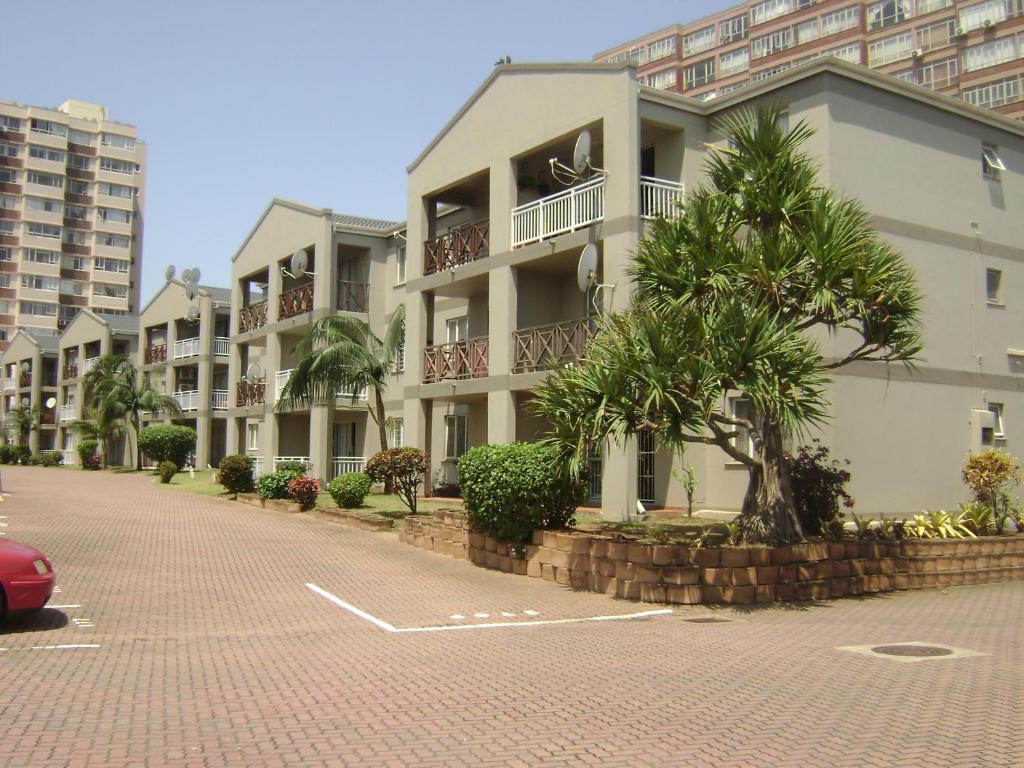
Residential Rental Housing – Apartments and lifestyle estates
-
Mixed‑Use Developments – Properties combining different uses
This variety allows local REITs to capture income from multiple sectors with different risk and return profiles.
How Local REITs Compare to Direct Property Ownership
| Feature | Local REIT | Direct Property |
|---|---|---|
| Capital Requirement | Lower | Higher |
| Liquidity | High (tradeable) | Low (sale required) |
| Management Responsibility | Handled by professionals | Owner’s responsibility |
| Diversification | Broad | Limited unless many properties owned |
| Income Source | Dividends | Rental income |
Local REITs often offer greater flexibility and ease of access, especially for investors who prefer a more hands‑off approach.
How African Land Supports Local REIT Investors
African Land helps investors understand and access local REIT opportunities across Africa by:
-
Identifying high‑quality local REITs with strong fundamentals
-
Explaining dividend potential, risk profiles, and growth prospects
-
Guiding investors on how local REITs fit into broader property investment strategies
-
Providing insights into property market trends that influence REIT performance
With African Land’s expertise, investors gain clarity and confidence when exploring local REITs as part of their real estate portfolios.








Comments 0
Add new comment