


Discovery Office Cape Town: Corporate Presence and Commercial Property Potential
The Discovery office Cape Town refers to the corporate workspace used by Discovery Limited, one of South Africa’s leading financial services, insurance, and health companies. As a major employer and business presence in the Western Cape, Discovery’s office in Cape Town influences commercial property demand, local economic activity, and the broader office rental market.
For property investors and businesses seeking commercial rental space or income‑producing assets, understanding how a corporate tenant like Discovery impacts Cape Town’s office landscape is important for strategic decision‑making.
Why the Discovery Office in Cape Town Matters
1. Corporate Tenant Strengthens Office Market
When a blue‑chip company like Discovery maintains a corporate office in a city, it contributes to stronger demand for surrounding office space. This can uplift the appeal of nearby commercial properties and support higher occupancy rates.
2. Increased Demand for Business Rental Space
Discovery’s Cape Town presence attracts professionals, suppliers, and related service companies. This creates spill‑over demand for business rental space — from small offices to professional suites — in the surrounding precincts.
3. Economic Catalyst
Large corporate offices generate consistent economic activity. Employees require retail, dining, services, and transport amenities, which helps support not only office rentals but also retail property performance in adjacent areas.
Location and Commercial Environment
Prime Office Nodes
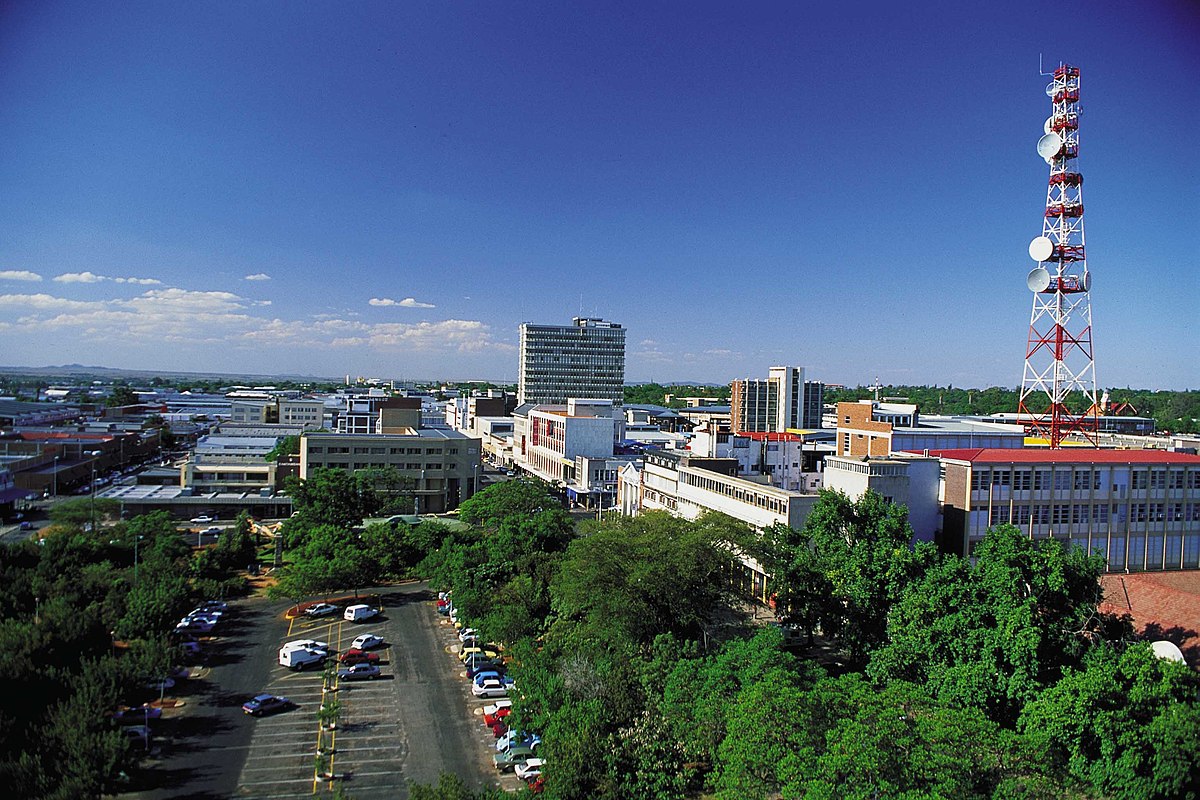
Discovery’s operating base in Cape Town is typically situated near established commercial districts or business parks with good transport access, amenities, and professional services, which enhances the investment appeal of surrounding office buildings.
Professional Workspace Standards
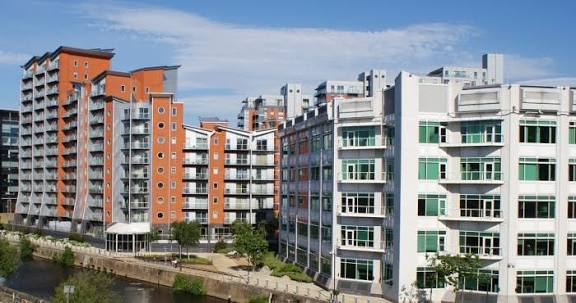
Corporate tenants usually require modern office facilities with quality finishes, secure access, parking, meeting rooms, and efficient infrastructure. Properties that meet these standards often command higher rental values and attract similar tenants.
Supporting Amenities
Proximity to restaurants, cafés, retail outlets, fitness facilities, and transport hubs adds to the desirability of offices near the Discovery site. These supporting amenities not only make daily operations easier for employees but also boost the value of surrounding income‑producing assets.
Commercial Investment Implications
1. Rental Stability
Office buildings close to major corporate tenants like Discovery tend to show stable rental demand. Long leases with quality tenants reduce vacancy risk and support predictable cash flow — a core characteristic of income‑producing property investments.
2. Capital Growth Potential
Areas with strong corporate presence often benefit from future development and infrastructure improvements. This can lead to property appreciation over time, enhancing long‑term returns for investors.
3. Portfolio Diversification
Investing in office assets near established corporate occupants allows investors to diversify property portfolios beyond residential and retail holdings, balancing income streams and exposure across sectors.
How African Land Helps Investors
African Land supports clients exploring office property investments — especially in corporate hubs like Cape Town — by providing:
-
Market Insight: Analysis of commercial office demand, rental trends, and tenant profiles.
-
Asset Evaluation: Assessing income potential, capital growth prospects, and tenant quality.
-
Location Identification: Pinpointing high‑demand office nodes influenced by corporate activity.
-
Investment Strategy: Guiding clients on how to balance office assets with residential, retail, and mixed‑use properties.
With professional support, investors can confidently target properties that align with both income goals and long‑term appreciation.
Conclusion
The Discovery office in Cape Town represents more than a corporate workspace — it is a nucleus of commercial activity that influences the surrounding office rental market and broader property landscape. Its presence helps drive demand for quality business rental space, supports economic vibrancy, and enhances the investment appeal of nearby office buildings.
For investors seeking income‑producing assets, targeting areas near major corporate tenants like Discovery can be a strategic approach to securing rental reliability and capital growth. African Land’s expertise in commercial property markets helps investors identify these opportunities and build resilient, diversified portfolios.





Comments 0
Add new comment