


Psychology Behind Selling a House South Africa
Selling a house is not only a financial decision — it is a deeply emotional process shaped by memories, expectations, fears, and personal motivations. In South Africa, homeowners experience a unique blend of emotional and practical pressures when preparing their properties for the market. Understanding the psychology behind selling a home can help sellers make better decisions, price strategically, and manage the entire journey with confidence. African Land provides insights into buyer and seller behaviour to help homeowners navigate their sales successfully.
Emotional Attachment and Letting Go
For most South Africans, a home carries years of memories, milestones, and family experiences. When the time comes to sell, many homeowners struggle with:
-
Letting go of personal history connected to the home
-
Fear of change, such as relocating or downsizing
-
Uncertainty about the future housing situation
-
Feeling undervalued if buyers offer below the asking price
Emotional attachment can influence pricing and negotiations. Sellers who understand this are better positioned to make rational, market-aligned decisions.
The Need for Control During the Selling Process
Selling a house introduces uncertainty — show days, buyer feedback, offers, and waiting periods. To regain a sense of control, sellers often:
-
Over-prepare the home
-
Stress over small details
-
Seek constant updates from agents
-
Become anxious when buyers take long to respond
Recognising these patterns helps sellers stay calm and trust the process.
How Buyers Think — First Impressions Matter
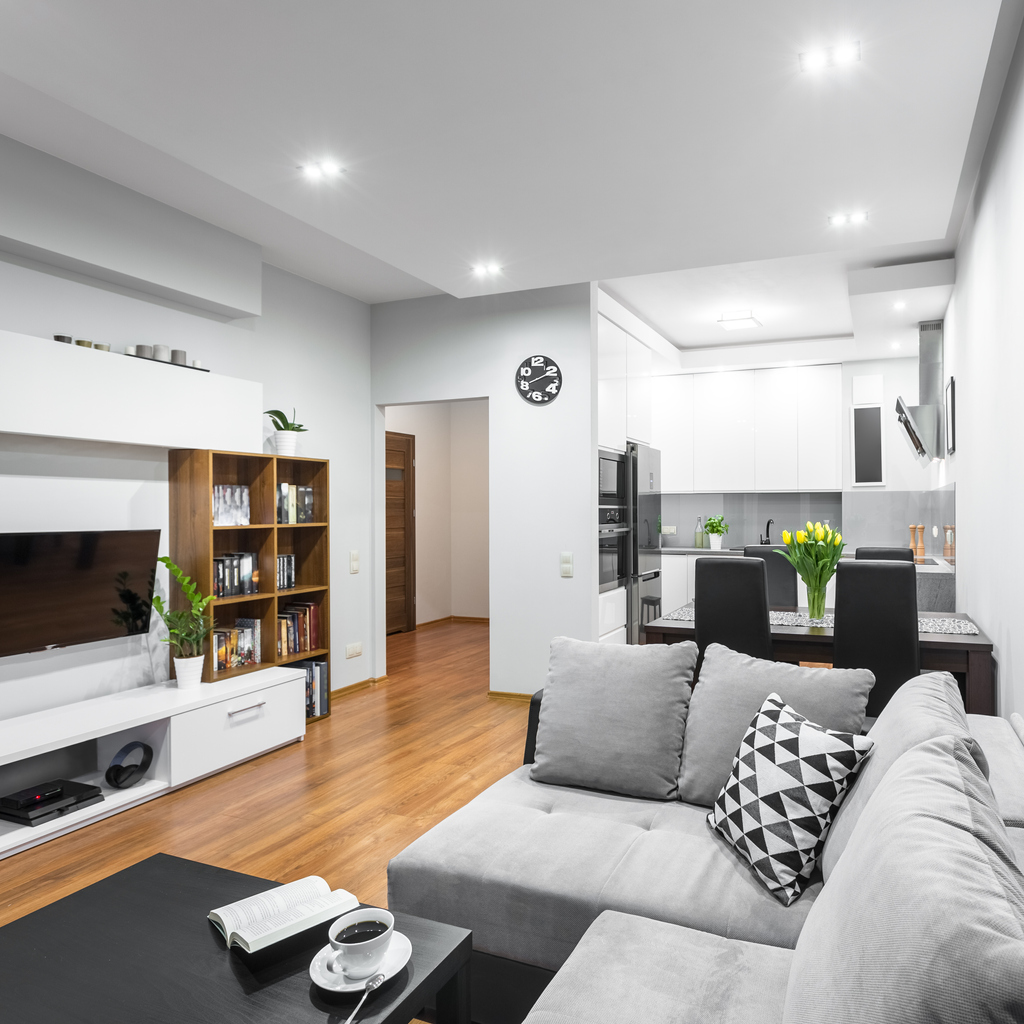
From a psychological perspective, buyers make emotional decisions first and rational decisions second. The moment a buyer steps onto the property, they form instant opinions based on:
-
Cleanliness and presentation
-
Smell and lighting
-
Space and layout
-
Maintenance levels
These emotional triggers help determine whether a buyer feels connected to the house. A positive emotional response increases the chances of receiving a strong offer.
Pricing Psychology
Pricing a home in South Africa requires balancing emotional value with real market value. Sellers often:
-
Overprice due to emotional attachment
-
Resist adjusting prices even when the market demands it
-
Focus on what they spent rather than what buyers are willing to pay
Buyers, however, respond more strongly to psychologically appealing prices that match the area’s recent sales and current market conditions.
Fear of Loss and Delayed Decisions
A key psychological factor is the fear of losing out, which affects both sellers and buyers:
-
Sellers fear selling too low
-
Buyers fear losing the property to other bidders
-
Both parties hesitate, delaying the process
Understanding these emotional drivers helps maintain a balanced and productive negotiation.
The Stress of Public Scrutiny
Allowing strangers to walk through your personal space can feel intrusive. South African sellers often:
-
Worry about judgement of their home
-
Feel uneasy about people opening cupboards or inspecting defects
-
Experience stress over keeping the home clean
Acceptance of this reality helps reduce emotional strain during the selling phase.
How African Land Helps Homeowners Manage the Psychological Journey
African Land provides structured guidance that helps sellers remain confident, clear minded, and market-ready:
-
Accurate property valuation to counter emotional overpricing
-
Staging and presentation advice that boosts buyer emotional response
-
Market insights for realistic pricing and strategic timing
-
Support through negotiations to reduce stress and maintain objectivity
-
Selling strategies that help homeowners transition smoothly to their next chapter
With the right support, homeowners can manage the emotional and psychological weight of selling a house in South Africa while positioning the property for a strong sale.







Comments 0
Add new comment