


Mall REITs: Investing in Retail Real Estate for Income and Growth
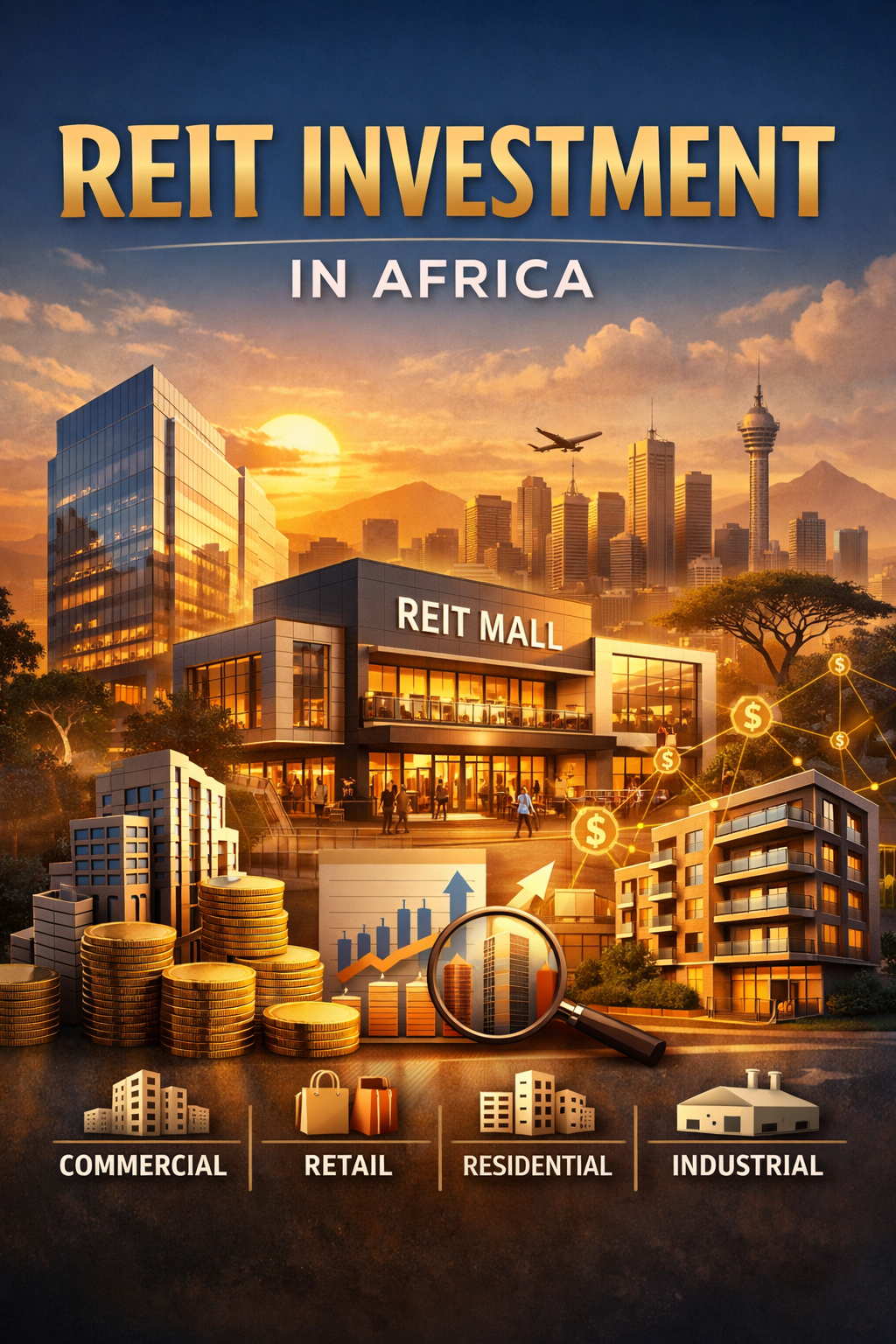
Mall REITs (Real Estate Investment Trusts) are investment vehicles that own, manage, and operate shopping malls and retail centres. They allow investors to access income-producing assets without owning individual properties directly, offering exposure to retail real estate in a diversified, professionally managed format.
For investors seeking stable cash flow and long-term potential, mall REITs provide an attractive path to earning rental income from retail tenants while participating in broader property market growth.
What Are Mall REITs?
Mall REITs are trusts that hold portfolios of retail properties — including shopping centres, outlet malls, and regional retail hubs. Investors buy shares in the REIT, and in return receive dividends paid from the rental income generated by the properties.
These REITs specialise in leasing space to retailers, food outlets, entertainment providers, and service businesses that attract consistent consumer foot traffic.
Why Invest in Mall REITs
1. Predictable Rental Income
Mall REITs collect rent from multiple tenants, spreading income sources and reducing risk. With diversified retail tenants across locations, investors receive regular distributions from rental revenue.
2. Portfolio Diversification
Retail property adds a distinct layer to an investment portfolio, balancing residential and commercial property holdings and providing resilience against some market fluctuations.
3. Professional Property Management
Mall REITs are managed by experienced teams responsible for tenant relationships, marketing, property maintenance, and lease renewals, freeing investors from direct property management.
4. Exposure to Consumer Demand
Successful malls attract steady consumer spending. Well-located retail centres in high-traffic areas maintain occupancy and support rental growth, benefiting REIT performance.
Types of Mall REITs
Mall REITs vary by the type and size of properties they control:
Regional Mall REITs
Focus on large enclosed shopping centres that serve broad geographic areas with diverse retail tenants.
Community and Neighbourhood Centre REITs
Own smaller retail hubs serving nearby residents, including supermarkets, eateries, and service stores.
Outlet Mall REITs
Specialise in discount, brand-name retail parks that attract dedicated shoppers seeking value pricing.
Mixed-Use Retail REITs
Combine retail with office, residential, or entertainment components, creating diversified income streams within one asset.
Key Performance Drivers for Mall REITs
Location
Retail centres near urban growth corridors and transport hubs tend to perform better due to higher foot traffic and tenant demand.
Tenant Mix
A diverse mix of anchor tenants, specialty retailers, and food or entertainment outlets boosts consumer attraction and reduces reliance on any single tenant category.
Leasing Terms
Longer lease contracts with reliable tenants provide stable income and reduce vacancy risk.
Experience-Driven Retail
Malls that incorporate entertainment, dining, and community features outperform traditional retail centres focused solely on shopping.
Benefits and Considerations for Investors
Income Potential
Mall REITs distribute a significant portion of rental income as dividends, making them popular with income-focused investors.
Liquidity
Publicly traded mall REITs offer liquidity compared to direct property investment, allowing investors to buy and sell shares conveniently.
Inflation Hedge
Rent adjustments and lease escalations in retail agreements can provide inflation protection for long-term investors.
Economic Sensitivity
Retail property is tied to consumer spending patterns, so economic downturns can affect mall performance and occupancy rates.
African Land helps investors assess economic trends and consumer demand when considering retail-focused property investments.
How Mall REITs Fit Into African and Global Property Strategies
While African REIT markets are still developing, global experience with mall REITs shows the potential for well-managed retail portfolios to deliver consistent returns. Investors looking for exposure to retail property can consider:
-
International mall REITs with global retail portfolios
-
Local or regional retail property investment vehicles
-
Mixed-use developments that combine retail with residential or office components
African Land advises clients on how retail-oriented investments — like mall REITs — complement residential and commercial holdings for overall portfolio diversification.
African Land’s View on Retail Property Investment
African Land supports investors in identifying mall and retail property opportunities that offer strong rental income and growth potential. This includes:
-
Analysing catchment populations and retail foot traffic
-
Assessing tenant quality and lease structures
-
Evaluating property locations for long-term demand
-
Advising on diversified property portfolios that include retail exposure
By applying a strategic lens to retail property investment, African Land helps clients build income-producing, resilient real estate portfolios.
Conclusion
Mall REITs are a powerful way for investors to access income-producing retail real estate without direct property ownership. With diversified tenant bases, professional management, and regular dividend income, mall REITs can enhance portfolio returns while providing exposure to consumer-driven markets.
African Land guides investors in evaluating retail property opportunities — including mall REITs — ensuring decisions align with long-term income, diversification, and growth objectives.








Comments 0
Add new comment